
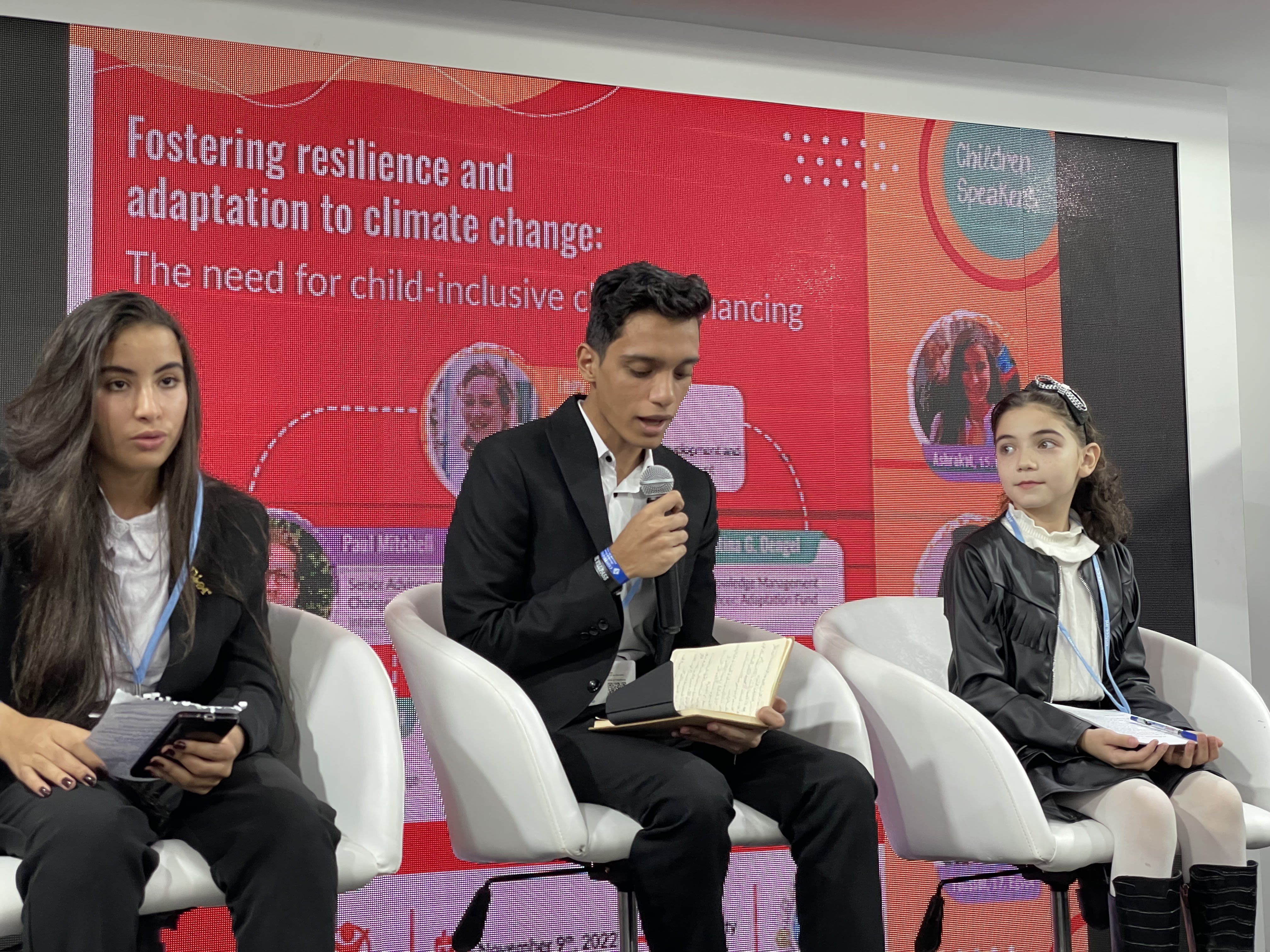

The world’s 2.4 billion children are bearing the brunt of the climate crisis – an emergency that is taking lives, eroding children’s rights and threatening the future of the planet. The 27th Conference of Parties (COP27) held in Sharm El-Sheikh in Egypt, November 6-18, 2022, was a key moment for Save the Children to bring children into the climate policy conversation. We seized this opportunity to help them attain a seat at the table.
Overall, COP27 outcomes were mixed, with many attendees deeply disappointed to see little progress in fulfilling promises made in the COP21 Paris Agreement to drastically reduce global greenhouse gas emissions.
Yet Save the Children’s diverse COP27 delegation of 18 leaders and climate specialists from across the Middle East, Africa, Europe and North America reported several wins worth celebrating, in line with our three main objectives:
- Increase climate policy commitments upholding children's rights and participation, with a key focus on providing for ambitious funding to address rapidly escalating loss and damage in communities affected by climate change.
- Contribute to sustained change in COP processes to better ensure safe and meaningful spaces for children's engagement.
- Raise public awareness and inspire action on the climate crisis as a children's crisis hitting those facing inequality hardest.
Notably, children made their presence felt and called on adults to do more to mitigate the climate impacts they are already experiencing. Their passionate activism inspires hope and our top five COP27 takeaways.
1. This COP was a big win for children and the future.
The first-ever Children and Youth Pavilion put young people’s voices front and center. Save the Children sent a delegation of 10 children to take part in multiple forums and activities. Kids vlogged about their concerns, met with met with Save the Children International CEO Inger Ashing and held global leaders to account for their actions.
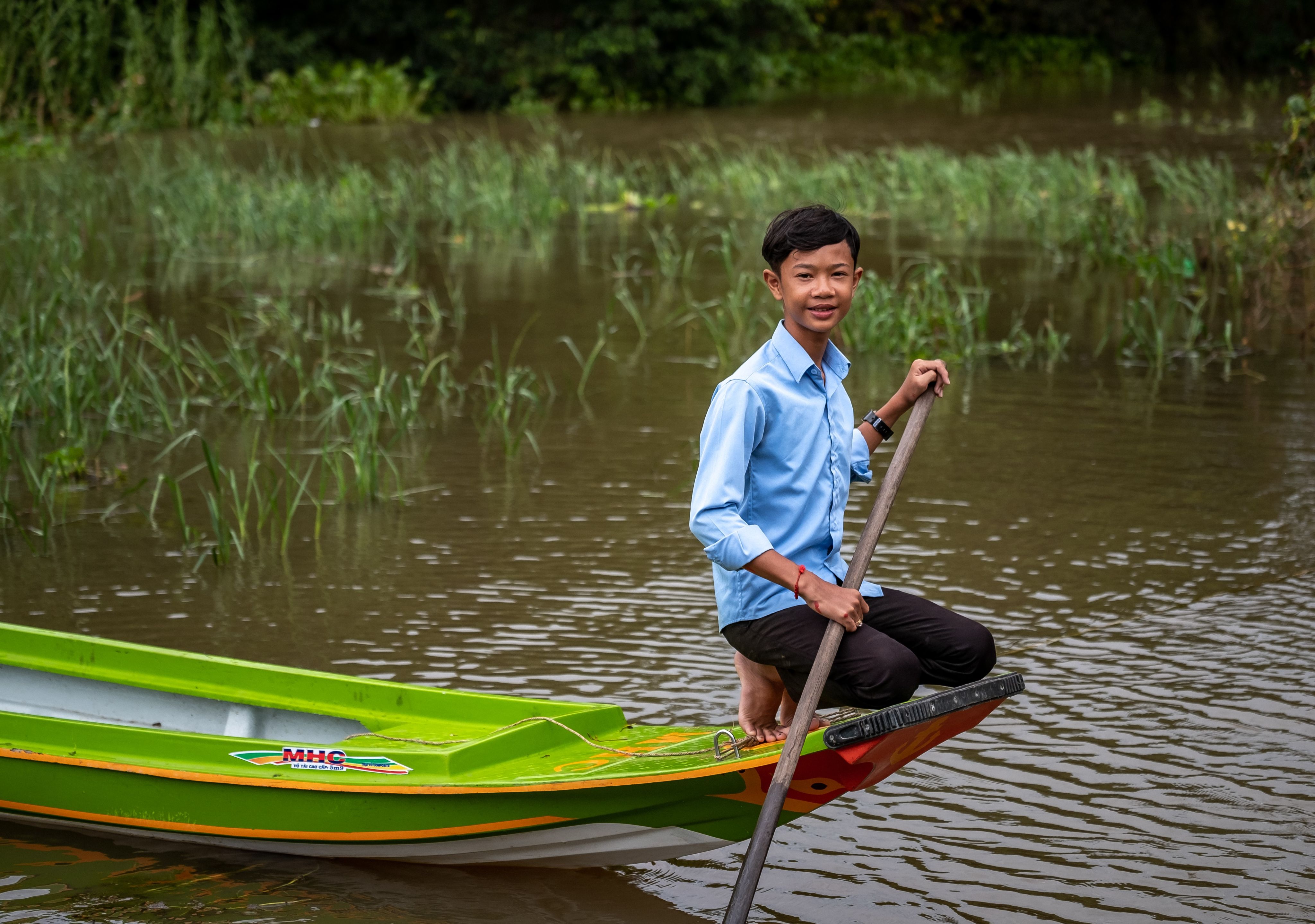
Kemhoun, 14, arriving at his school on Tonle Sap Lake, Cambodia, where he's eagerly taking part in our GREEN project and learning about the importance of preventing deforestation and water pollution. Photo: Linh Pham
We amplified the voices of 55,000 children who gave input for our Generation Hope report – flagging the findings at advocacy meetings, events and conversations with negotiators.
2. We marked victories for climate justice and children’s rights.
Negotiators reached agreement on establishing a Loss & Damage Fund – a critical step in securing justice for children affected most by the climate crisis. Details are yet to be determined, with the goal of operationalizing the fund for “particularly vulnerable developing countries” in 2024.
Additionally, countries across the globe are, for the first time, formally recognizing children as agents of change – encouraging governments to include children in the design and implementation of climate-related policies. Countries are now also encouraging all member states to include young representatives (both children and youth) in their national delegations, recognizing the importance of intergenerational equity and maintaining the stability of the climate system for future generations. Save the Children, in collaboration with other child rights organizations, advocated intensively to move the agenda for children’s participation. Shift for our Planet is our program to center children’s voices in the climate debate.
3. Discussions made clear that the climate crisis is a key driver of global hunger.
Extreme weather events, such as heat waves, droughts and dust storms, are becoming more common and leading to crop failures and dead livestock. The combined impact of conflict, climate change, COVID and rising food prices due to the war in Ukraine has left up to 750,000 people facing famine conditions, and a further 49 million people are acutely malnourished. Malnutrition caused by extreme hunger remains one of the biggest killers of young children around the world.
The urgency of the current global hunger crisis pushed COP27 to examine the vital issues of adaptation, agriculture and food systems in the context of climate change and was used as an argument in favor of the Loss & Damage Fund.
4. Presentations showed how climate impacts reverberate throughout children’s lives.
Meetings drew attention to the ways climate affects child health outcomes, access to education and sexual and reproductive health services, and even child marriage rates.
Mariam, a 17-year-old from Cairo speaking at a youth TED talk, recounted the heartbreaking story of a girl whose father was swept away in a coastal flood.
The World Health Organization held several COP events highlighting evidence, initiatives and solutions to maximize the health benefits of tackling climate change across regions, sectors and communities. We’re helping to advance these solutions by partnering with the UN’s Green Climate Fund on several projects, including one in Laos to improve the climate resilience of health systems and protect delivery of essential health services.
5. Climate financing is increasing and will continue to do so going forward.
The COP27 mantra was “we can’t do it alone”– heard in conversations around “innovative finance” – as governments, corporations, foundations and organizations like Save the Children explore new ways to work together to mitigate risks to communities on the frontlines of the climate crisis. Taking this mantra to heart, Save the Children is delighted to have teamed up with WWF to work with children and young people to conserve nature and tackle the climate crisis.

Looking ahead to COP28, Nov. 30-Dec. 12, in Dubai, Save the Children will continue to press U.S. leadership to address global climate change, including through robust resources from the U.S. government. We will seek commitments to create opportunities for children to be included in climate policy spaces such as COP28. And we will increase visibility and awareness of the impacts of climate change on children through thought leadership events.
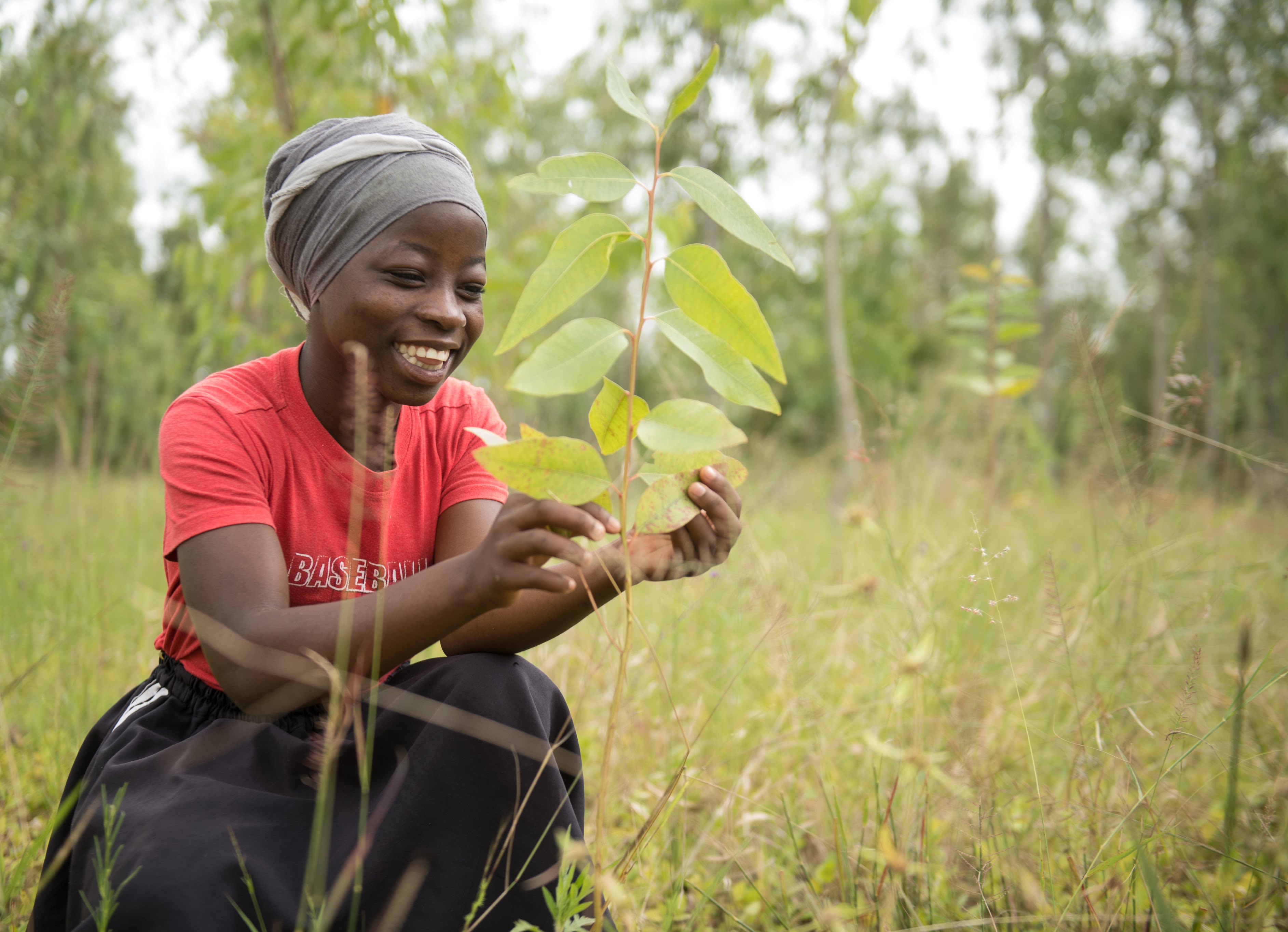
Esther, 17, holding a tree she planted in a man-made forest to prevent floods in her community in Zomba, Malawi. Photo: Thoko Chikondi
Working hand in hand with children, we’ll continue to help them raise their voices and fight for a sustainable future. H.E. Ibrahim, Malawi’s Minister of Energy (pictured above), summed up why we can’t afford to fail:
"If you have saved one child, you have saved a nation."
To learn more about how you can support our climate initiatives, please reach out to your personal representative at Save the Children. For details about our global climate policy strategy, please contact Smita Baruah, head of government, policy, advocacy & campaigns, at sbaruah@savechildren.org.

 Built with Shorthand